
Key takeaways
- A VPN protects the connection, not the person or the device.
- Cloud-first teams often need less VPN and more identity security.
- Remote access is a target. Patch it and require MFA.
- A consumer VPN is not a business control.
On this page: What it does · Need it? · Risks · Alternatives · FAQ
What does a business VPN do?
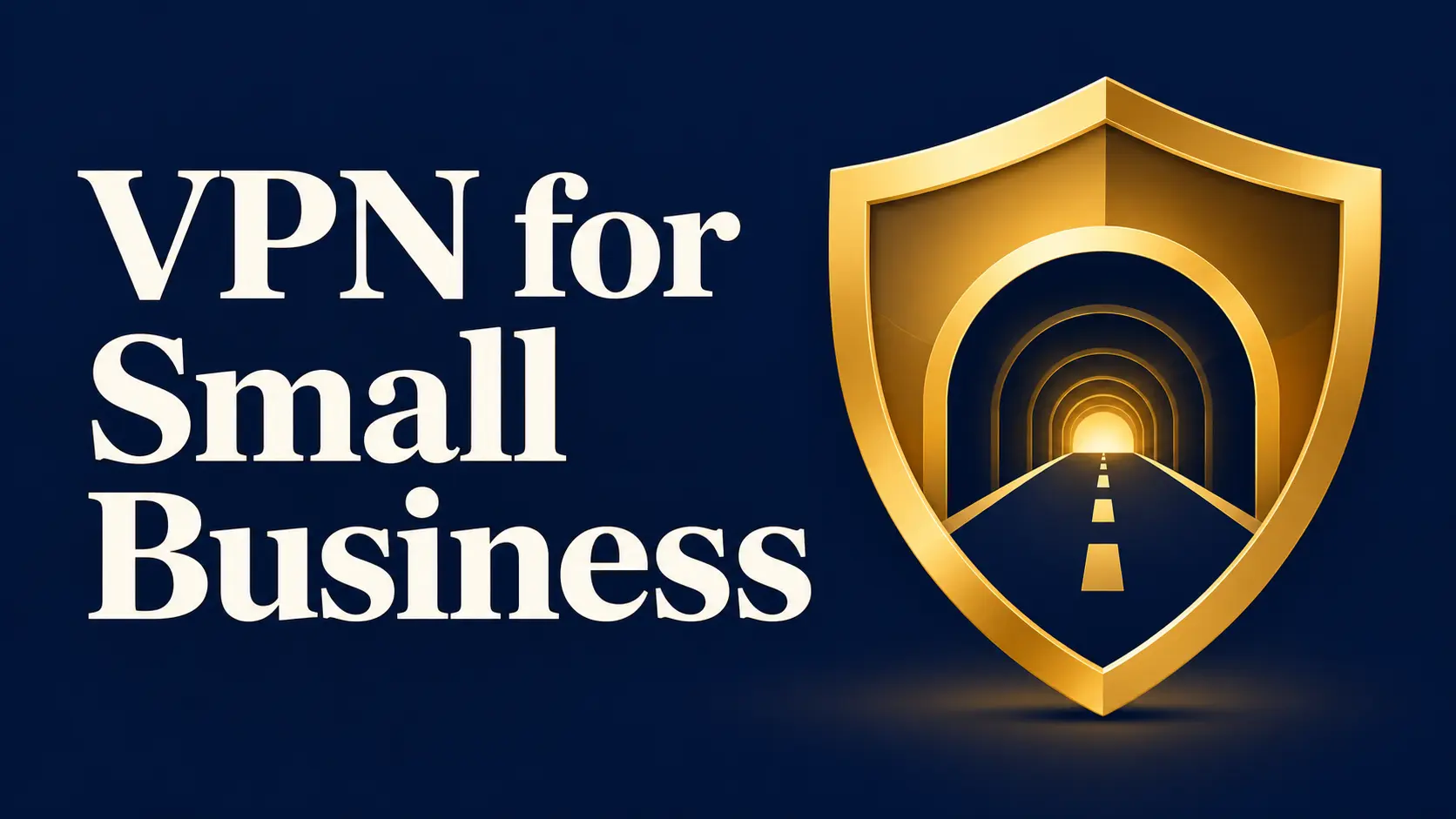
It creates an encrypted tunnel from a device to your network, so remote staff can reach internal resources as if they were in the office, and so traffic on untrusted networks such as public Wi-Fi is protected in transit.
When do you need one?
- Staff reach on-premises servers, file shares or legacy apps from outside the office.
- You must restrict access to a system to a known network path.
- A contract or regulation asks for encrypted remote access. See the compliance guide.
You may need less of one if your tools are cloud apps with MFA. See what is zero trust.
What are the risks?
- False confidence: once on the VPN, a stolen login gives broad access. Use MFA and least privilege.
- Unpatched devices: Verizon’s 2026 DBIR says exploiting a vulnerability was the most common way in, at 31% of breaches, so keep VPN software and firewalls updated.
- Shared accounts and weak passwords: use named accounts and a password manager.
- Consumer VPNs protect individuals’ privacy; they do not give you central control, logging or access management.
What are the alternatives?
Identity-based access, MFA, device checks and least-privilege access to specific apps are the direction NIST’s zero trust guidance describes. A mix is common: VPN for legacy systems, identity controls for cloud apps. See remote work security and best VPN for small business when you are ready to pick one.
Frequently asked questions
Does my small business need a VPN?
If staff reach internal servers remotely, probably. If you are cloud-based, strong identity controls often matter more.
Is a VPN enough to secure remote work?
No. It protects the connection, not phishing, weak passwords or unpatched devices.
Can I use a consumer VPN for my business?
It is not designed for central management or access control, so a business solution is usually better.
Do VPNs need updates?
Yes. Keep VPN software, firewalls and appliances patched.
Should the VPN require MFA?
Yes. See what is MFA.
What is better than a VPN?
Identity-based access with MFA and least privilege, often alongside a VPN for legacy systems.
Sources
SMB Security HQ provides general information, not legal, financial or professional security advice. See our Affiliate Disclosure and How We Test.